
Allentown Death Records
Allentown obituary and death records are available through several county and state offices. Allentown is the county seat of Lehigh County and Pennsylvania's third largest city, with about 125,000 residents. The city is located in the Lehigh Valley and was founded in 1762. Death certificates for Allentown are managed by the Pennsylvania Division of Vital Records, while the Lehigh County Register of Wills holds historical records and estate files. Local libraries and historical societies add depth for genealogical research. This guide covers the key resources for finding Allentown death records and obituaries.
Allentown Quick Facts
Where to Find Allentown Death Records
The Pennsylvania Department of Health, Division of Vital Records, handles all certified Allentown death certificates from 1906 to the present. There is no walk-in vital records office in Allentown itself, so most requests are handled by mail or through VitalChek online. The fee is $20 per certified copy. Mail requests go to the Division of Vital Records, PO Box 1528, New Castle, PA 16103. Check current wait times at pa.gov processing times before you send your request.
The Lehigh County Register of Wills is a key local resource for Allentown death and estate records. The office is at 17 South 7th Street, Allentown, PA 18101. Phone is 610-782-3010. Hours are Monday through Friday, 8:30 a.m. to 5:00 p.m. The Register of Wills holds historical birth and death records from 1893 to 1906, just before statewide registration began. Marriage license records go from 1885 to the present. Estate files and probate records often include death certificates as part of the filing. Visit lehighcounty.org Register of Wills for more detail on what is available and how to search.
| Office | Lehigh County Register of Wills |
|---|---|
| Address | 17 South 7th Street, Allentown, PA 18101 |
| Phone | 610-782-3010 |
| Hours | Monday through Friday, 8:30 AM to 5:00 PM |
| Records | Death and birth records 1893-1906; estate records 1885-present |
Note: For Allentown deaths before 1893, records may be sparse. County and church records are often the best alternative sources for pre-registration era deaths in Lehigh County.
How to Order an Allentown Death Certificate
Ordering a certified death certificate for someone who died in Allentown follows the Pennsylvania state process. The $20 fee covers one certified copy. You can order online at pa.gov death certificates or through VitalChek. Both methods allow credit card payment. Mail requests require a check or money order payable to the Pennsylvania Department of Health.
Your application must include a clear copy of your government-issued photo ID. You also need to show your relationship to the person who died. Immediate family members including spouses, parents, children, and siblings are eligible requesters. Attorneys, legal representatives, and those with a court order may also request copies. For genealogical research, records over 50 years old are more broadly accessible under Pennsylvania law. The state guidelines are explained at pa.gov genealogy vital records.
If you need Allentown death records from 1906 through 1968, the PA State Archives has these on Ancestry.com as part of a digitization partnership. Access the collection through the PA State Archives vital statistics page. Free in-branch access to Ancestry is available at the Allentown Public Library, so you can search without a paid subscription.
Historical Allentown Obituary Records
Allentown has been publishing newspapers since the 1800s. Local obituaries often include details beyond what a death certificate contains, such as names of survivors, former employers, church memberships, and burial locations. These details are especially useful for genealogical research. Several Allentown institutions hold these older records.
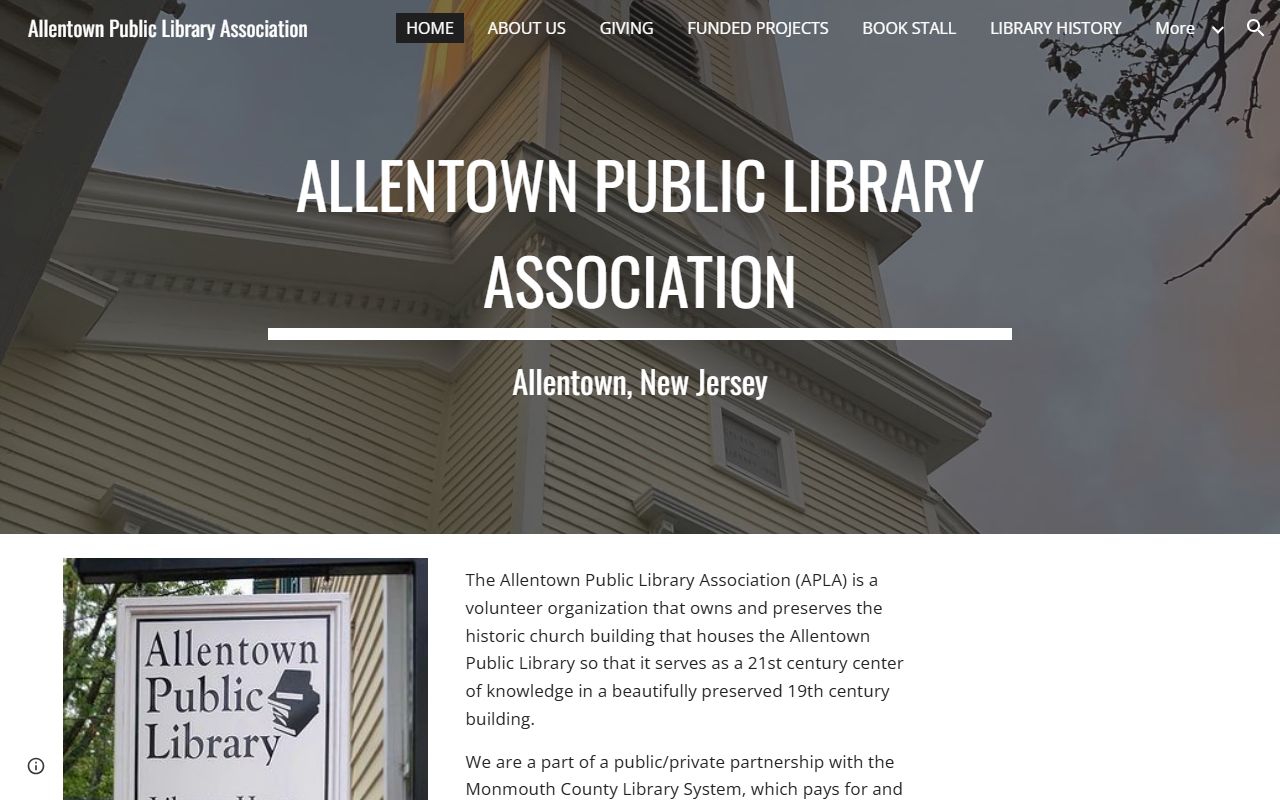
The Allentown Public Library at 1210 Hamilton Street, Allentown, PA 18102, phone 610-820-2400, maintains local historical newspapers on microfilm. Obituary indexes for Allentown newspapers are available at the library. City directories from multiple decades are part of the collection, which can help confirm where someone lived in Allentown and when they died. The library provides free access to Ancestry Library Edition in-branch. Reference librarians assist with genealogy research and can help identify which newspapers covered specific Allentown neighborhoods in a given period.
The Lehigh County Historical Society at 414 Walnut Street, Allentown, PA 18102, phone 610-435-1074, holds the region's largest collection of Lehigh Valley genealogical material. Their museum and library include family histories, manuscripts, and historical photographs. Research assistance is available for genealogical inquiries. The society's research library is open by appointment. Publications on local history are available for purchase and may reference specific Allentown deaths and families. Visit the society's site for more on what they hold and how to schedule a research visit.
Allentown Genealogy Resources
Several resources are specific to Allentown and Lehigh County genealogy. Together they cover death records from the early settlement period through the present day.
The City of Allentown website lists contact details for city departments that can help with historical questions. Allentown was founded in 1762 and has a long industrial history in the Lehigh Valley. That history is reflected in the depth of the records held locally. The city is home to the Liberty Bell Museum and other historic sites, and records from these institutions can sometimes support genealogical research by providing community context.
The PA State Archives holds death certificates for 1906 through 1975 including Allentown records. For older pre-registration deaths in Lehigh County, the Register of Wills records from 1893 to 1906 are the main source. For even earlier records, church registers and cemetery records are often the only surviving documents. The Lehigh County Historical Society holds many of these older materials and is a good starting point for pre-1893 Allentown research.
The orphans court system in Pennsylvania can provide estate records that confirm deaths and identify heirs. For Lehigh County, the orphans court clerks are listed at pacourts.us orphans court clerks. Estate files often include a copy of the death certificate and a list of the deceased person's assets and relatives.
Note: The Lehigh County Register of Wills historical records from 1893 to 1906 represent a unique window into Allentown deaths just before the state took over death registration in 1906.
Related Records for Allentown Death Research
Beyond the Register of Wills and vital records office, other Allentown offices and resources can help with death record research. Cemetery records are one of the most overlooked sources. Many Allentown cemeteries have their own burial registers, some dating back to the 1700s. The Lehigh County Historical Society holds transcriptions of many of these records.
The Pennsylvania vital records administrative regulations at pacodeandbulletin.gov chapter 1 define the rules for death certificate registration and access in Pennsylvania. Understanding these rules helps researchers know exactly what records exist and who can request certified copies. The regulations also cover what happens when no record is found, which can occur for older Allentown deaths before formal registration began.
For online research from home, the PHMC archives research portal links to several digital collections that include Lehigh Valley and Allentown records. These free tools let you start your research before visiting any physical archive in Allentown.
Lehigh County Death Records
Allentown is the county seat of Lehigh County. Death records for Allentown residents are part of the broader Lehigh County records system. The county page covers the Register of Wills, estate records, and other death-related county resources in more detail.
Nearby Pennsylvania Cities
Other Lehigh Valley and Pennsylvania cities have their own death record offices. Select a city below for obituary and death record resources in that area.